.png)
Conversational Finesse: The Science of Making Voice AI Feel Human
THE PROBLEM
Voice AI is only as good as what it hears
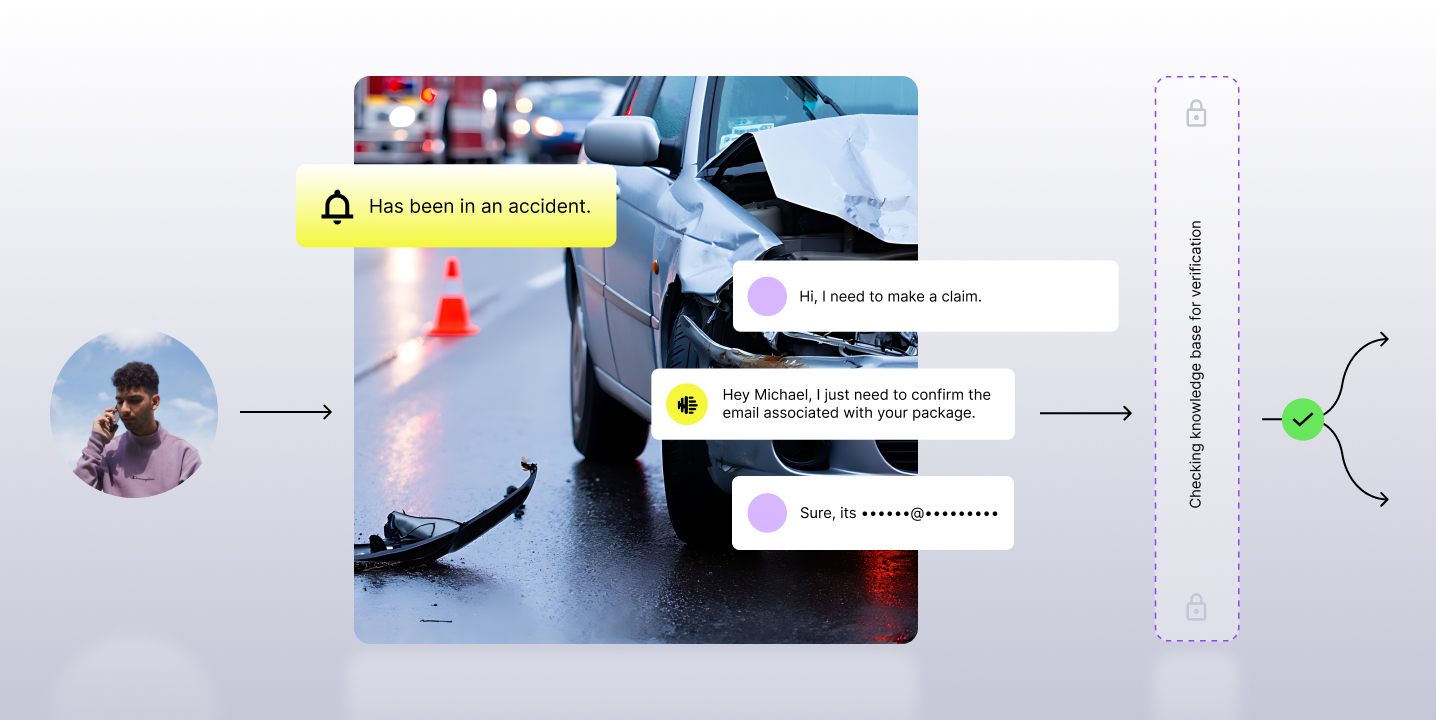
Voice AI has crossed a threshold. Across sales, support, and collections, real-time voice agents are now handling millions of customer conversations every day routing, responding, coaching, scoring. The underlying models have never been more capable. But there is a part of the stack that most platforms have not caught up with: the audio itself.
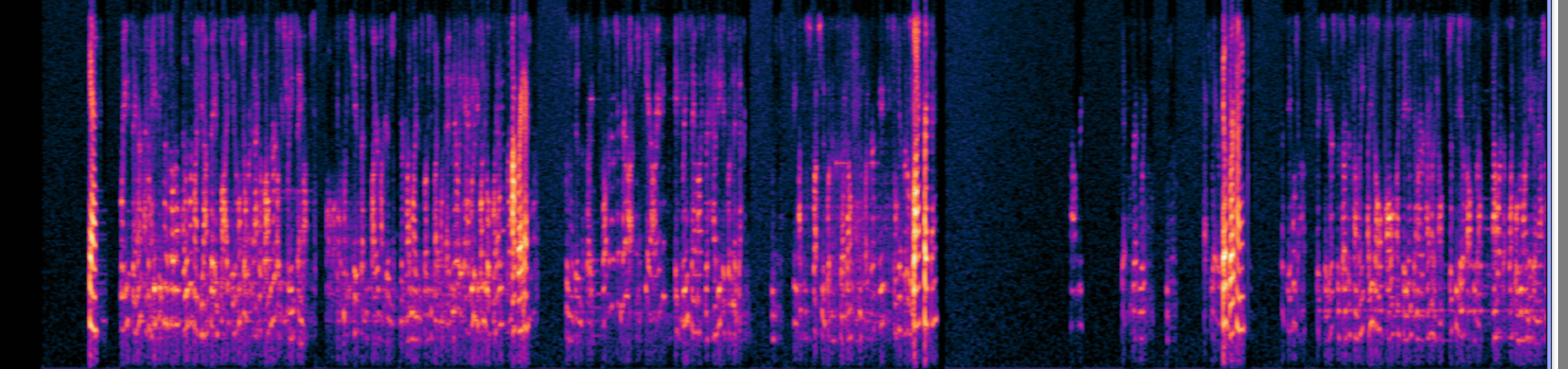
A voice agent does not operate in a studio. It operates in real life situations, where customers call from a living room where the TV is on, or from a car, or from an open-plan office. The microphone does not know which voice matters. It captures everything.
The downstream consequences are real and compounding. When background speech bleeds into the audio stream, Voice Activity Detection (VAD) struggles to distinguish between the user’s speech and ambient noise, often failing to accurately identify when the user is speaking versus when they have paused. This leads to transcription errors and awkward, mistimed pauses in the interaction. Consequently, voice agents may inadvertently interrupt or redirect the conversation based on noise rather than intent, resulting in a fractured and frustrated user experience.
Existing industry solutions primarily address stationary noise (like hiss, hum, and general ambient interference) rather than transient, non-stationary interference. Traditional noise suppression often fails to isolate the primary speaker from background human speech, which frequently leads to transcription errors, inaccurate sentiment analysis, and degraded performance in real-time voice AI agents.
THE GAP
What the rest of the market does and where it falls short
Most voice AI platforms address audio quality at the model layer. They train on noisier data, build more robust ASR, and tune their systems to tolerate interference. That is a reasonable engineering response to a hard problem. It is also treating the symptom rather than the cause.
Others apply static audio filters, fixed thresholds tuned to a particular recording environment that break the moment the environment changes. A threshold calibrated for a quiet office lets through everything in a busy one. A threshold aggressive enough to suppress background activity in a busy home or office environment often inadvertently cuts out the user’s own voice during natural pauses or softer speech.
What the market has not built is a filter that understands context. One that knows the difference between the speaker who matters and the speaker who doesn’t. One that can make that distinction on a call it has never heard before, without any manual configuration, in real time.
OUR APPROACH
An intelligent filter that learns the conversation
Observe.AI’s approach is fundamentally different. Rather than applying fixed rules about what audio to suppress, our system continuously builds an understanding of each conversation as it unfolds. In real time, it learns what the primary customer speaker sounds like and uses that evolving understanding to guide every filtering decision.
The filter does not require speaker profiles, manual configuration, or predefined thresholds. Within the first few seconds of a call, it begins identifying the characteristics of the customer’s voice. As the conversation progresses and conditions become more challenging, background chatter increases, overlapping speech appears, or noise levels fluctuate, the system already has a strong understanding of whose voice matters most.
Just as importantly, the filter understands conversational flow. It recognizes that a brief pause does not necessarily mean a speaker has finished their thought. It knows that natural gaps between words and sentences are part of human communication, not opportunities to let competing speech leak through. As a result, it acts only when it is safe to do so and remains conservative when uncertainty is high.
The outcome is a cleaner, more reliable signal that preserves the natural rhythm of conversation—without clipping speech, dropping words, or creating unnatural silences.
The filter doesn’t need to be told who the customer is. Within seconds, it has already figured it out.
THE DIFFERENCE
What changes when the background speech disappears
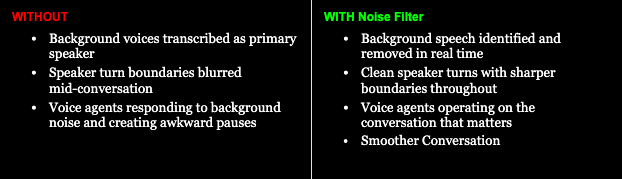
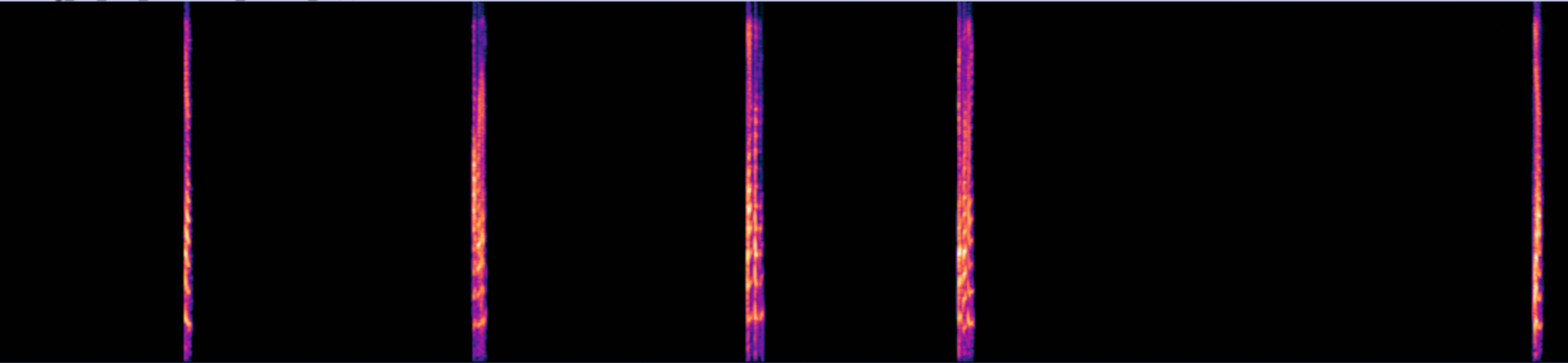
When background speech disappears, the impact is immediate for both transcription and voice AI performance. A clean signal allows ASR models to resolve ambiguous words and sharpen speaker turn boundaries, ensuring accurate capture of critical moments like escalations and objections. This precision is vital for voice agents, which rely on live, high-fidelity transcripts to guide their responses. By eliminating background interference, agents avoid misinterpreting side conversations as customer intent or triggering unnecessary pauses, enabling a truly seamless and responsive conversational finesse.
SUMMARY
Observe.AI’s intelligent background speech filter revolutionizes Voice AI by distinguishing primary customer speech from ambient noise in real-time. By continuously learning the speaker's characteristics, it eliminates transcription errors and prevents voice agents from misinterpreting background chatter. This enables smoother, more accurate conversational flow and ensures that AI agents respond only to the user, not the environment.
Subscribe to our newsletter.
Frequently Answered Questions


.png)

.png)
.png)