Claims Bring Stress and Urgency: Why Your Unified System Matters
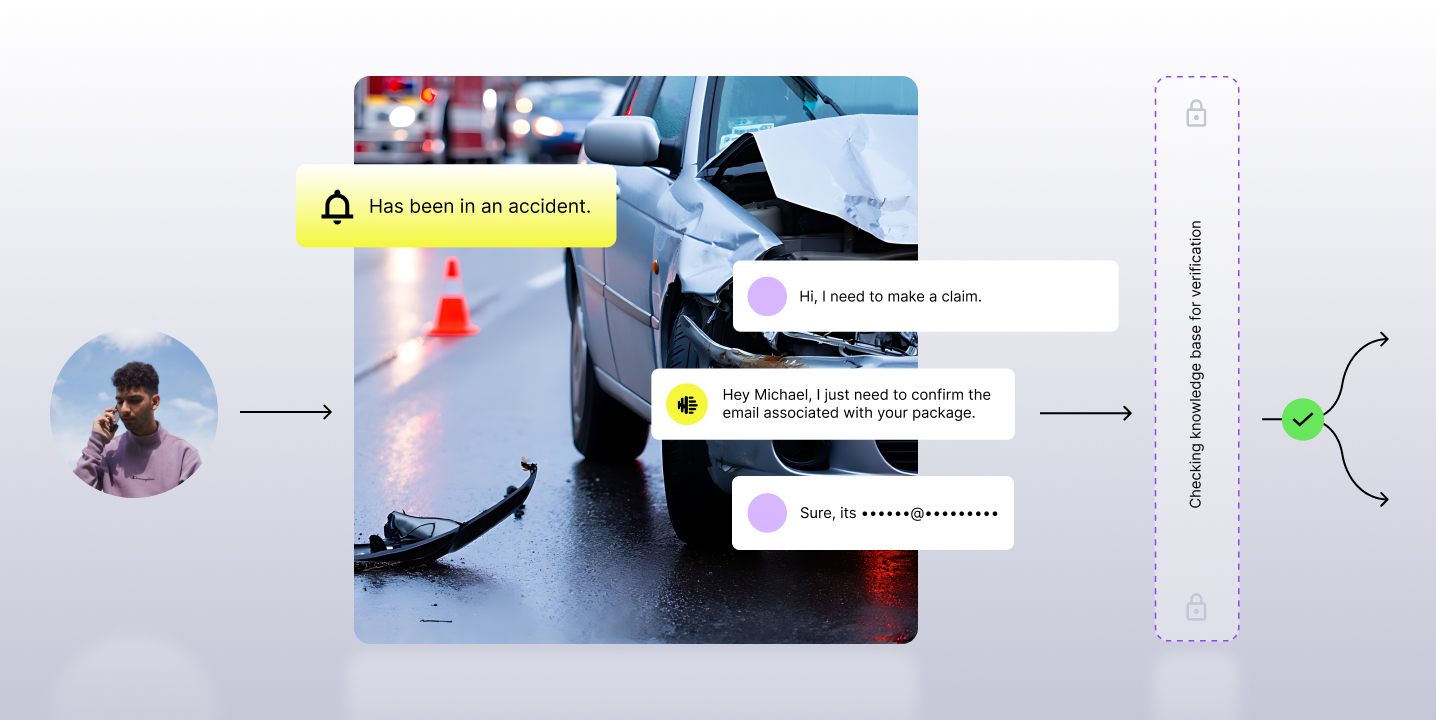
A customer files a first notice of loss. An adjuster needs to verify coverage and collect information—but that information is scattered across disconnected systems. Policy details live in one platform. Claim data in another. Customer communication logs in yet another. The adjuster spends hours navigating between systems, entering data manually, chasing documentation. Meanwhile, the customer waits for an answer. The pressure builds.
This scenario plays out thousands of times daily across insurance operations. Whether it’s FNOL intake, policy updates, document collection, or claim status inquiries, the fundamental problem remains unchanged: claims work is fragmented across legacy systems designed to work independently, not together.
The Cost of Fragmentation
Most of the work in claims and service teams is repetitive and manual. First notices of loss require consistent intake steps. Policy updates follow standard procedures. Document collection follows predictable patterns. These should be straightforward, efficient processes. But when they’re distributed across disconnected systems with no unified way to capture and act on information, something simple becomes complicated.
Manual entry. Verification checks. Routing between systems. Redundant data collection. Follow-up calls because information got lost. These activities don’t add customer value—they create bottlenecks. When seasonal weather events hit or claim volume spikes unexpectedly, these bottlenecks become crises. Volume compounds the problem. Systems that barely kept pace during normal times become completely overwhelmed.
The impact multiplies. Small delays become long cycles. Operational costs climb. Customers experience frustration and calls repeat. Claims teams experience burnout. Compliance becomes harder to track. Risk exposure increases. And all of this could be prevented by ending the fragmentation.
Why Unified Systems Change Everything
A unified system for existing workflows solves the fragmentation problem at its root. Rather than building new infrastructure, a true unified approach sits on top of existing systems—policy platforms, claims systems, CRM tools—and provides a single, coordinated way to handle complex work. Each team member gets clear visibility. IT and compliance teams have consistent audit trails. Data flows seamlessly instead of requiring manual transfers.
When a customer files a claim, the system automatically pulls policy information, surfaces requirements, and guides the adjuster through FNOL intake with checks and balances built in. When customers need updates or have questions, status requests are handled instantly without requiring an adjuster to dig through multiple screens. When documents arrive, they’re captured once and accessible everywhere they’re needed.
This unified approach doesn’t require ripping and replacing core systems. It works within the infrastructure you have, connecting the dots and eliminating the manual handoffs that slow everything down. It provides IT teams with clear records for compliance. It gives adjusters the tools they need to work efficiently and confidently. It delivers customers the fast, clear communication they deserve.
The Real Opportunity
Insurance teams are under pressure in ways that weren’t true five years ago. Claims volume is higher. Regulatory scrutiny is sharper. Customer expectations have shifted. Seasonal events are hitting harder. Legacy processes that felt acceptable when operations were smaller don’t scale anymore. The question isn’t whether you need to improve—it’s whether you’ll do it by building new systems, or by unifying the systems you have.
Teams that choose unified systems gain a strategic advantage. Their adjusters spend less time navigating systems and more time solving complex claims problems. Their operations can absorb seasonal spikes without collapsing. Their compliance teams can audit every interaction instead of sampling randomly. Their customer experience becomes consistent and responsive.
The path isn’t complicated. It starts with an honest assessment of where the friction lives. Where are adjusters losing time to manual work? Where do customers have to repeat information? Where does coordination break down? Where is compliance risk hiding? These pain points are opportunities. Each one represents a chance to simplify, unify, and improve.
Ready to Eliminate the Bottlenecks Slowing Your Claims Operation?
When claims work is fragmented across disconnected systems, stress and urgency become the default mode. Your teams work harder, but the underlying problems persist. Costs stay high. Customers stay frustrated. Risk stays elevated.
Our ebook, Clearing Bottlenecks in Claims Operations, walks you through the specific operational challenges that slow claims processing, create inconsistency, and strain your teams. You’ll discover where bottlenecks hide in fragmented systems, why unified approaches work better than replacing legacy infrastructure, and how leading carriers are using coordinated systems to break through the operational ceiling.
Whether you’re struggling with FNOL delays, repetitive manual work, documentation gaps, or seasonal overload, this guide provides actionable insights and a framework for transformation.
Download the ebook today and discover how to eliminate the bottlenecks holding your claims operation back.
Subscribe to our newsletter.
Frequently Answered Questions


.png)

.png)
.png)