Introducing ChatAI Agents: One Unified System for Voice, Chat, and Continuity
Most conversational AI systems today treat chat and voice as separate efforts. One tool for telephony. Another for digital. Yet the customer doesn’t see it that way. They expect a consistent experience across every channel, whether they’re calling in, chatting on a website, following up on an order via text, or returning to an unresolved issue a few hours later.
With the launch of ChatAI Agents, we're expanding our agentic platform to support real-time and asynchronous chat channels with the same control, reliability, and integration depth as voice. For technical teams tasked with supporting customer experience, this means less duplication, less guesswork, and more ways to deliver predictable outcomes at scale.
Here’s what’s included and why it matters.
Continuity Without Context Loss
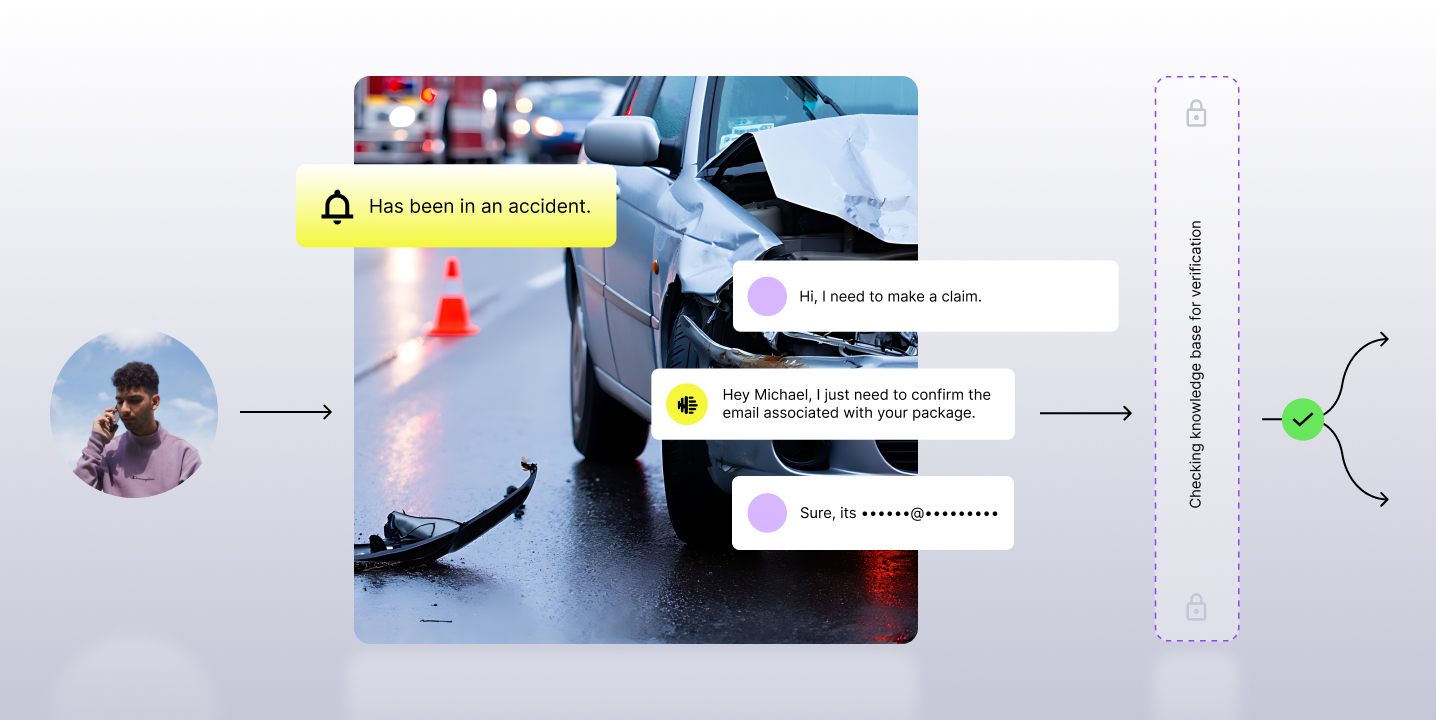
When customers reach out over chat, there is a high likelihood that you know who they are and their recent interaction history, and these customers don’t want to repeat themselves. But without shared context across sessions or channels, that’s usually what happens.
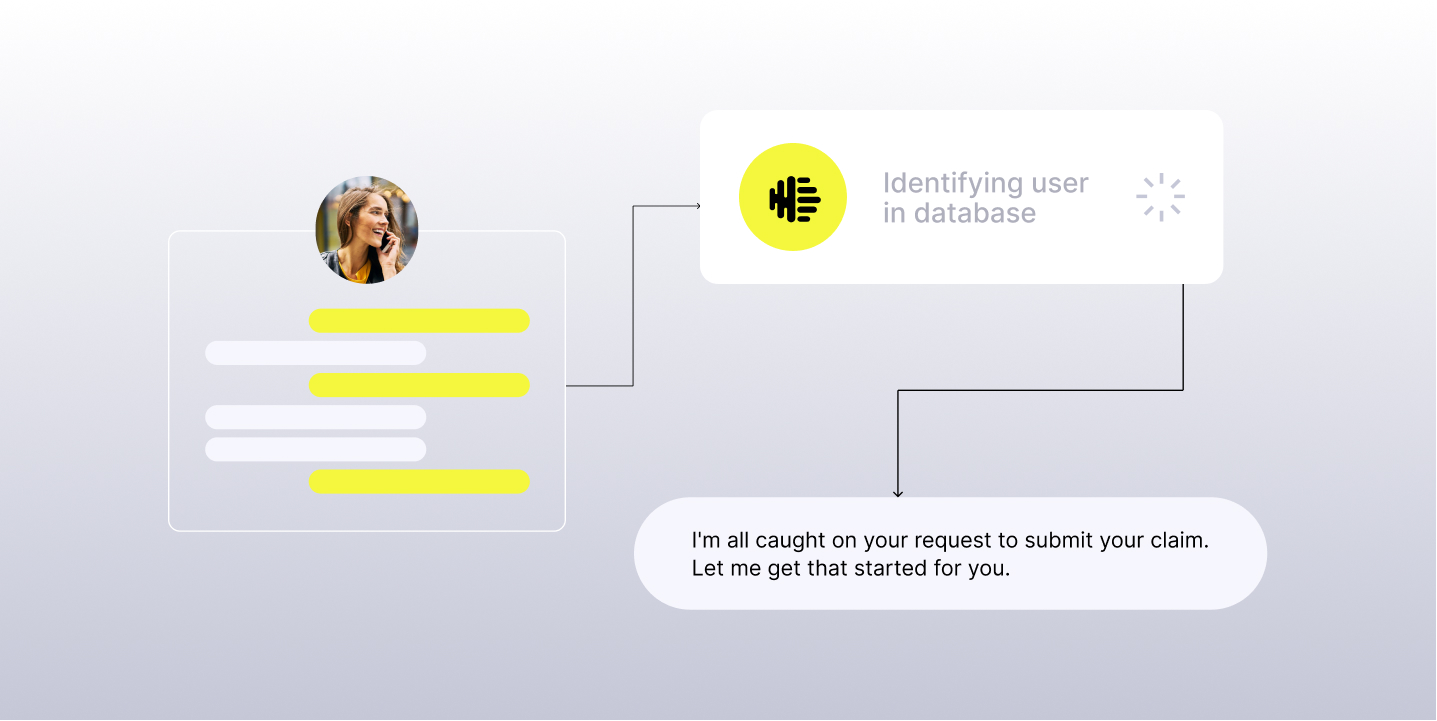
- ChatAI Agents persist customer context across long-running sessions and can pull from backend systems to add context to the conversion, making it possible to start, pause, and resume conversations without breaking the thread.
- ChatAI supports asynchronous communication, where customers can engage on their schedule. A conversation that begins at lunch can resume after work. The agent keeps track of the interaction state, pending actions, and prior messages, just like a human agent would.
- A unified platform for ChatAI and VoiceAI Agents, so a customer can start in chat and escalate to a call with all their information retained. There’s no need to repeat crucial information or re-explain the issue. It all travels with the customer, by design.
.png)
Fully Configurable Chat UI Without Engineering Dependency
In most enterprises, updating the chat UI involves waiting for engineering resources. That delay slows down branding changes, legal updates, and experimentation. ChatAI includes a built-in Widget Builder that allows teams to launch a branded, responsive chat experience without writing any code.
Admins can configure everything from fonts and color palettes to icons, layout templates, and loading animations. The tool also supports multi-brand environments, allowing different chat themes or compliance messages for each business unit, region, or product line.
Critical system messages, such as legal disclosures, privacy agreements, or escalation notices, can be inserted directly into the flow, all without disrupting the user experience. Everything is managed within the AI Agent development platform, and updates are deployed instantly.
Designed for Deep Chat Integrations
Most enterprise support teams don’t start from scratch. They already have live chat vendors, ticketing systems, CRM platforms, and homegrown applications to consider. ChatAI integrates cleanly into those environments.
When our AI Agent transfers a chat to a human, it passes the full context: the transcript, summary, identified customer intent, and any next steps already in motion. This reduces handoff friction and helps the human agent act quickly.
Conversation data can be routed into CRM systems in real time. Whether for reporting, ticket creation, or profile updates, the system supports structured data mapping and allows administrators to define what’s passed, how it’s formatted, and where it lands. Teams can apply different logic depending on the use case or channel.
From a technical standpoint, ChatAI supports common enterprise integration patterns. This includes REST and gRPC APIs, pub/sub messaging systems, managed queues, and webhooks. The platform supports ID mapping across systems to maintain continuity and avoid data duplication, even in complex or multi-tenant deployments.
Built-In Quality Monitoring and Intent Capture
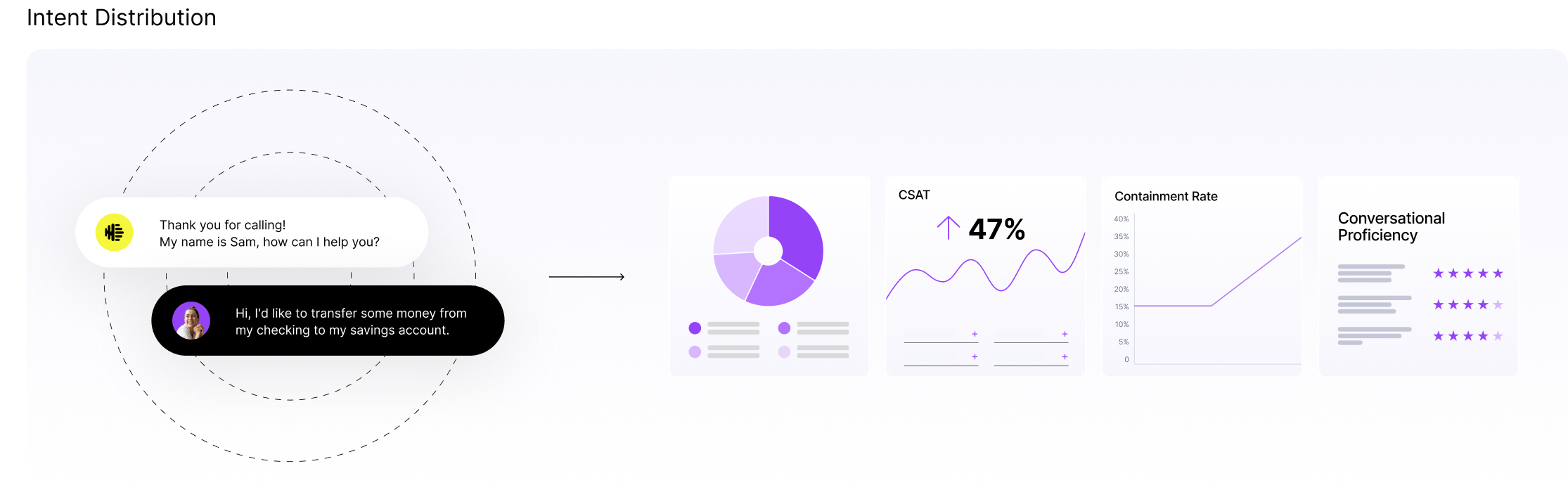
In most chat deployments, visibility is limited. Teams might review a small sample of chats manually or wait for NPS scores to indicate a problem. ChatAI Agents include built-in quality monitoring that analyzes 100% of conversations.
Every interaction is evaluated for compliance, effectiveness, and overall quality. This is not just keyword spotting. It’s a structural analysis of whether the agent followed the process, responded correctly to the intent, and completed tasks as designed.
Insights from these evaluations are delivered in real time. If the agent misses a step or gets stuck at a specific point in the workflow, the system flags it. And because everything is tracked over time, teams can compare performance across use cases, channels, and AI versions to guide improvement.
Enterprise Safeguards for Scale and Trust
Building one-off chatbots is easy. Building one that you can audit, version, and operate across thousands of ongoing parallel conversations is not. We’ve set out to deliver an AI agent system that you can manage, at scale, with rigorous safeguards, transparent monitoring, and real-time alerting so you can deploy with confidence.
Every ChatAI Agent includes a full version history. Any configuration change, whether to dialog logic, escalation rules, or system messages, is tracked. If something breaks or degrades performance, teams can roll back instantly to a prior stable version. This makes experimentation safer and gives operations teams a clearer view into change impact.
The system is compliant with major enterprise standards, including PCI Level 1, ISO 27001, and SOC 2 Type 2. It enforces strong safeguards against duplicate messages, out-of-order logic, and system failure during high-load scenarios. In other words, it’s not a prototype. It’s built to run in production.
For teams monitoring performance, the platform provides clear metrics around latency, throughput, error rates, and interaction states. These help ensure that SLAs are met and issues are identified before they reach the customer.
Operational Controls That Keep Conversations on Track
Every enterprise has different requirements for what a chat agent can and can’t do. ChatAI provides clear administrative controls over how conversations are handled. These rules of engagement can be completely tailored, so your agent knows what to handle on chat versus what to handle on voice.
Teams can define session rules, escalation triggers, and response boundaries. For example, they can configure the system to prioritize the customer’s most recent message when multiple inputs are received, keeping the interaction aligned with intent.
The platform also securely and centrally stores all session history, enabling audit trails, operational analysis, and troubleshooting across teams. This is particularly helpful in regulated industries, where the full conversation record may be required for compliance or investigation.
.png)
The Core Advantage: A Single Platform for AI Agents Across Voice, Chat, and Copilot
With the addition of ChatAI, the Observe.AI platform now supports the full spectrum of agentic automation. Whether an interaction begins on the phone, continues over chat, or involves a Copilot assisting a human agent, all logic, integrations, and data routing live in one place.
This eliminates the need to manage separate tools, duplicate workflows, or reconcile behavior across channels. Teams can design once and reuse across modalities. For example, an authentication flow built for voice can also run in chat, with only the input/output methods adjusted.
Data sources and system integrations can be shared or isolated depending on the use case. Some organizations may want a unified view of all interactions. Others may keep systems segmented by line of business or geography. The platform supports both approaches.
AI Agents for a Complete Customer Journey
ChatAI Agents were built to meet the same standards of reliability, control, and enterprise-readiness that we've applied to voice. This isn’t a lightweight chatbot. It’s an extension of your operational infrastructure that happens to work through chat.
The goal is simple: support the customer wherever they are, without creating more work for your teams, and without compromising control.
ChatAI Agents are now available. If you’re already using VoiceAI, it’s a natural next step. If you’re evaluating omnichannel AI automation, it’s a chance to unify your approach with a single architecture.
If you’re ready to explore automating your text-based channels, contact our team today for a demo.
Subscribe to our newsletter.
Frequently Answered Questions


.png)

.png)

.png)